 |
| 
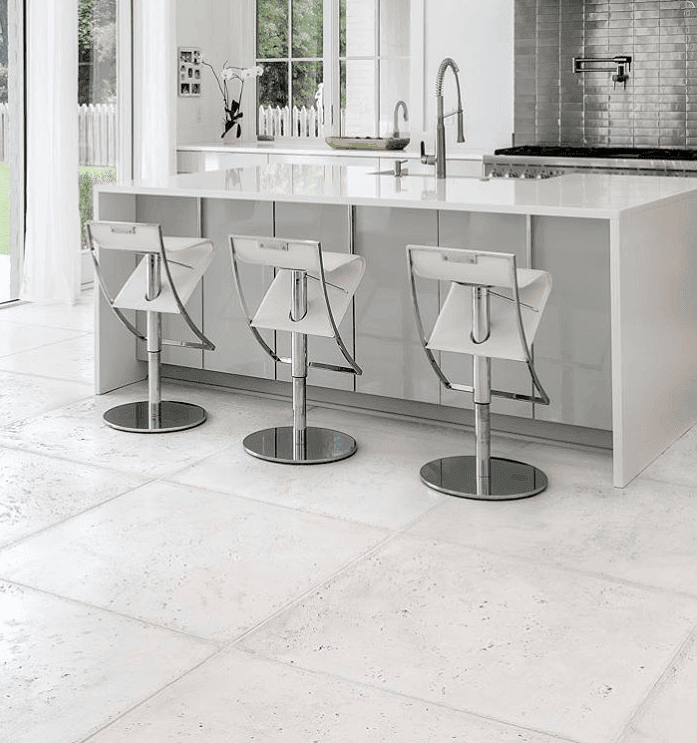
Pavers are one of the most underutilized flooring materials in interior design. They’re almost universally associated with outdoor applications — driveways, patios, pool decks — but the same qualities that make them exceptional outdoors translate beautifully inside: natural variation in color and texture, the depth that only a handcrafted material can deliver, and a sense of permanence that feels genuinely luxurious underfoot.
The key is knowing which spaces are the right fit, how to choose the right paver for each application, and what the installation looks like when it’s done well. Here’s a room-by-room look at indoor paver flooring done right.
Why Pavers Work Indoors
Before getting into specific rooms, it helps to understand what makes a paver appropriate for interior use in the first place. Not every paver is designed for indoor installation. Interior applications typically call for a thinner profile than outdoor pavers, since they’re installed on a rigid substrate like a concrete slab rather than a compacted aggregate base.
Peacock Pavers’ remodeling paver, at 5/8 inch thick, is specifically designed for interior overlays. It installs directly over an existing concrete or similarly rigid substrate, making it ideal for renovation projects where adding significant floor height isn’t desirable. The thinner profile also makes transitions to adjacent flooring materials cleaner and easier to manage.
On the design side, interior pavers deliver something most flooring materials simply can’t: the look and feel of natural stone without the cost, weight, or maintenance demands. The color variation inherent in handcrafted concrete, the subtle surface texture, and the way the material interacts with light all create an interior floor that reads as genuinely high-end rather than manufactured.
Kitchen Floors
The kitchen is one of the most rewarding applications for interior pavers, and one where the practical advantages are as compelling as the aesthetic ones.
Why Kitchens Work Well
Kitchens need a floor that can handle dropped items, spills, grease, heavy foot traffic, and the demands of daily cooking without looking worse for wear. A properly sealed concrete paver is highly resistant to all of those things. Unlike wood, it won’t warp from moisture. Unlike many tile alternatives, the variation built into each handcrafted paver means minor surface marks and wear blend into the material’s natural character over time rather than standing out as damage.
Design Approach for Kitchens
In kitchen applications, large-format pavers create the most sophisticated result. A 23.5 by 23.5 inch or larger paver in a light neutral, Rice White, Oyster, or Buff, opens the space and creates a clean, gallery-like floor that pairs with virtually any cabinetry palette. Running the same paver material from the kitchen into an adjacent dining area or living space amplifies this effect, creating a seamless, expansive floor plane that visually enlarges both rooms.
For kitchen islands or defined cooking zones, a contrasting paver size or color can create a subtle zone differentiation without hard transitions. A slightly warmer or cooler tone within the same neutral family reads as intentional and sophisticated rather than mismatched.
Bathrooms and Wet Rooms
Bathrooms are where interior paver design gets particularly interesting, and where the material’s connection to natural stone is most directly felt.
Shower Floors and Wet Areas
For shower floors and wet room applications, finish selection is the critical variable. Smooth finishes should be avoided in areas that will regularly be wet and walked on barefoot. Lightly brushed or tumbled finishes provide the grip needed for safe use in wet conditions while still delivering the refined, spa-like aesthetic that makes paver bathrooms so compelling.
A continuous paver floor that runs from the dry bathroom area through a curbless shower entry creates one of the most seamless, luxurious bathroom environments achievable. The material continuity, combined with a curbless design, makes a bathroom feel significantly larger and more intentional than conventional tile-to-tile transitions.
Vanity Areas and Dry Zones
In drier bathroom areas, around vanities, in powder rooms, and in master bath suites where the shower is a separate enclosed space, the range of appropriate finishes opens up considerably. A smooth or lightly brushed finish in a larger format paver creates a clean, architectural floor that reads more like stone than tile, with all of the character that a handcrafted material brings to the space.
Lighter colors, particularly Rice White and Oyster, work exceptionally well in bathrooms where natural light is limited. They reflect light back into the room and maintain a sense of airiness that darker tones can diminish.
Sunrooms and Indoor-Outdoor Transition Spaces
Sunrooms are perhaps the most natural fit for interior pavers, precisely because they occupy the space between inside and outside where the material feels most at home.
The Continuity Advantage
One of the most powerful design moves in a sunroom is using the same paver material on the interior floor and the adjacent exterior patio or terrace. When the flooring material is continuous across the threshold, the visual separation between inside and outside dissolves. The sunroom reads as an extension of the outdoor living space rather than a separate room, which makes both spaces feel larger and more connected to the landscape beyond.
This continuity works best when the exterior paver is a standard outdoor-thickness product and the interior transitions to the 5/8-inch remodeling paver at the door threshold. With a well-executed transition detail, the two products read as one continuous floor.
Color and Finish for Sunrooms
Sunrooms receive significant natural light, which makes them ideal for pavers in warmer neutral tones that come alive in direct sun. Buff and Champagne tones look particularly rich in morning and afternoon light. If the sunroom is oriented toward a garden or pool, matching or complementing the exterior paver palette creates a particularly harmonious result.
For sunrooms with contemporary architecture and large glazed walls, cooler tones like Dolphin Grey and Slate create a sophisticated counterpoint to the warmth of natural light, keeping the space feeling cool and architecturally precise.
Start With a Sample
Interior paver projects benefit enormously from seeing the material in the actual space before committing. Light conditions, ceiling height, and adjacent materials all affect how a color and finish read indoors, and what works beautifully in one room may feel different in another.
Peacock Pavers offers sample kits so you can evaluate color, texture, and scale in your specific environment before making a final decision. Browse our interior paver collection, explore completed installations in our gallery, or contact our team to talk through your project.