 |
| 
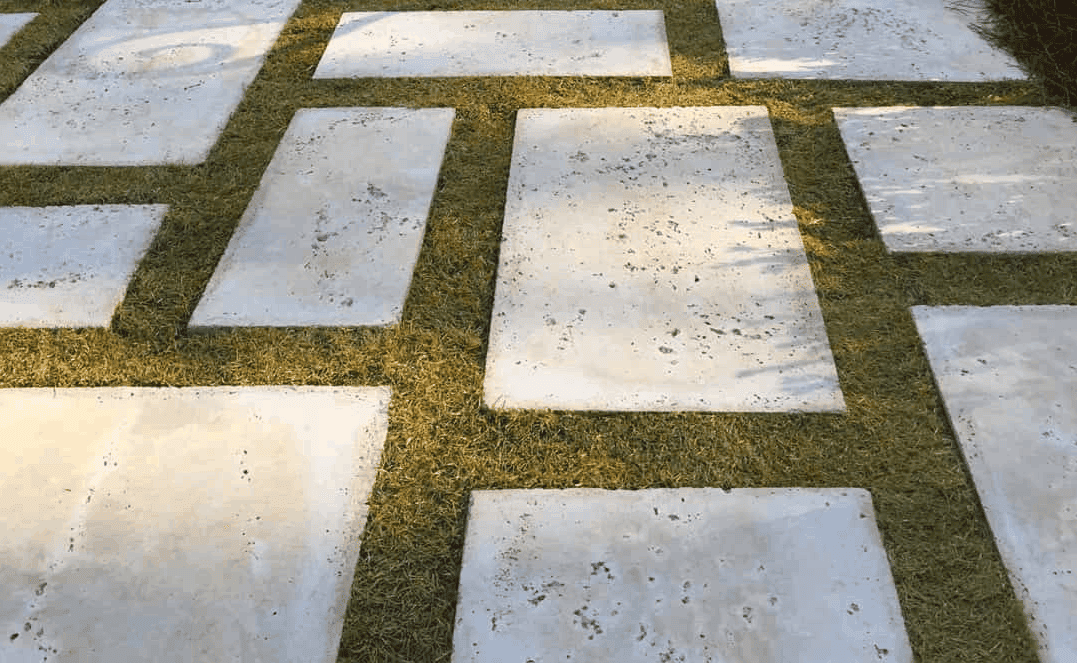
Sealing is one of the most effective and underutilized tools in paver maintenance. A quality sealer protects the surface from staining, enhances color depth, stabilizes joint sand, and slows the effects of UV exposure and weathering. But like any protective coating, it doesn’t last forever, and knowing when it’s time to reseal can mean the difference between a paver installation that ages beautifully and one that starts to look tired well before its time.
Here’s a practical guide to resealing frequency and the seven signs that tell you it’s time to act.
How Often Should Pavers Be Resealed?
The general recommendation for most exterior concrete paver installations is resealing every two to three years, though this range shifts based on a few key variables:
- Climate and UV exposure: Installations in high-sun climates or areas with significant freeze-thaw cycling may need resealing closer to the two-year end of the range
- Traffic load: Driveways and high-traffic areas break down sealer faster than lightly used garden paths or decorative spaces
- Sealer type: Penetrating sealers tend to last longer than topical film-forming sealers, but they also provide less visible surface enhancement. Film-forming sealers offer a richer, more enhanced look but require more frequent reapplication
- Original application quality: A properly prepared surface with a well-applied sealer will hold significantly longer than one applied over a dirty or improperly cleaned surface
Rather than going strictly by the calendar, the most reliable approach is to inspect the surface regularly and let the paver’s actual condition drive the decision. The signs below give you a clear, practical way to make that assessment.
7 Signs It’s Time to Reseal
- Water No Longer Beads on the Surface
This is the simplest and most reliable test. Splash a small amount of water on the paver surface. If it beads up and runs off, the sealer is still doing its job. If it soaks in quickly or spreads across the surface without beading, the sealer has worn through, and the paver is no longer protected. This test takes about ten seconds and tells you more than a calendar date ever will.
- Color Looks Faded or Washed Out
One of the primary roles of a paver sealer is to enhance and protect color. As the sealer breaks down, the color enhancement it was providing disappears with it. If your pavers have started to look flat, chalky, or noticeably lighter than they did when freshly sealed, faded sealer is almost certainly part of the reason. Resealing will restore much of that depth and richness.
- Stains Are Penetrating the Surface
A properly sealed paver resists staining because liquids bead on the surface and can be wiped away before they soak in. When the sealer fails, staining becomes much more likely. Oil drips, wine spills, leaf tannins, and rust from metal furniture can all penetrate unsealed or under-sealed pavers and become difficult or impossible to remove without professional treatment. If you’re noticing stains that weren’t there before, the sealer is no longer providing adequate protection.
- Joint Sand Is Washing Out or Shifting
A good polymeric sand or jointing compound, properly sealed, stays stable and resists erosion. As the sealer ages, joint sand becomes more vulnerable to washing out from rain and irrigation. If you’re noticing gaps opening up between pavers, sand trails after rain, or joint material that’s clearly shifting, resealing (along with refreshing the joint sand) will help restabilize the system.
- White Haze or Efflorescence Is Appearing
Efflorescence is the white, chalky residue that forms when water-soluble salts within the concrete migrate to the surface and deposit there as the water evaporates. It’s a natural phenomenon in concrete products, and it tends to be most visible in the early life of a paver or after periods of heavy rainfall. A sealer helps slow efflorescence by reducing the water infiltration that drives it. If you’re seeing significant white haze returning after a prior treatment, the sealer has degraded, and moisture is getting in.
- Peeling, Flaking, or Cloudy Sealer
This sign is specific to topical film-forming sealers, which sit on top of the paver surface rather than penetrating it. Over time, film-forming sealers can peel, flake, or develop a cloudy, milky appearance, particularly in areas with heavy foot traffic, vehicle traffic, or significant UV exposure. When this happens, the old sealer needs to be stripped and the surface properly prepared before resealing. Applying a new coat over the damaged existing sealer won’t adhere properly and will accelerate failure.
- Visible Surface Erosion or Loss of Texture
On textured paver surfaces, particularly exposed aggregate or brushed finishes, the surface texture itself provides important functional grip. Over time, without sealer protection, the surface can gradually erode, smoothing out the texture that makes it safe and visually interesting. If a textured paver that once had a clearly defined surface is starting to feel uniformly smooth, the unprotected surface has been weathered. Resealing won’t reverse erosion that’s already occurred, but it will slow future wear significantly.
Before You Reseal: Surface Preparation Matters
The quality of a reseal job depends almost entirely on the preparation that precedes it. Applying sealer over a dirty, stained, or improperly cleaned surface locks in those flaws and compromises adhesion. Before resealing:
- Clean the surface thoroughly, removing all organic debris, dirt, and biological growth
- Treat any stains or efflorescence with appropriate cleaning products before the sealer goes down
- Allow the surface to dry completely. Sealing over damp pavers traps moisture and can cause cloudiness or adhesion failure
- Refresh joint sand if necessary before applying sealer, since the sealer will help lock it in place
If the existing sealer is peeling or failing, it needs to be stripped before reapplication. Consult with a professional if you’re unsure whether stripping is required for your specific sealer type.
Pavers Worth Protecting
The value of a regular resealing program is directly proportional to the quality of the pavers you’re protecting. Handcrafted concrete pavers with dense, well-cured mixes hold up better between sealings and respond more beautifully to sealer enhancement than lower-density alternatives.
Browse Peacock Pavers’ full collection of handcrafted concrete pavers, order a sample kit to evaluate color and texture in person, or contact our team to discuss your project.